
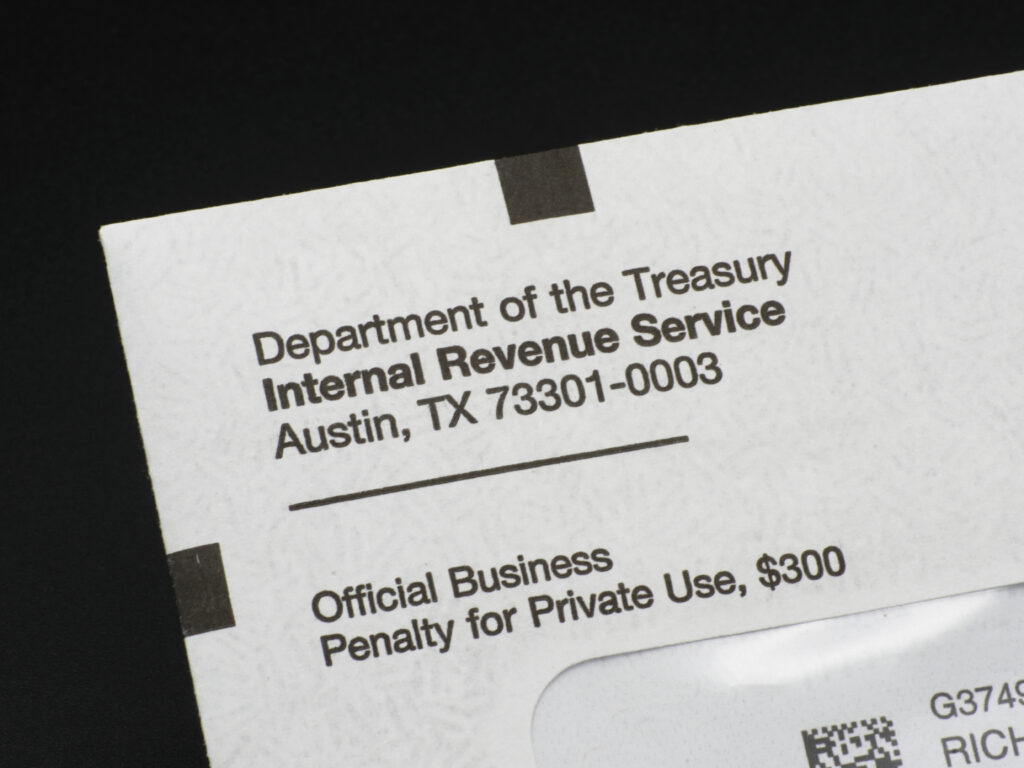

There’s a new IRS math errors bill (more officially called the Internal Revenue Service Math and Taxpayer Help Act) aimed at helping taxpayers determine whose math isn’t quite adding up (theirs or the IRS’s).
The bipartisan legislation addresses what the U.S. House Ways and Means Committee calls several communication shortfalls by providing a clear explanation of the alleged error, showing the math changes that were made, and informing taxpayers of their right to challenge the agency’s assessment within 60 days.
“Americans must show the math on their tax return, and now the IRS has to as well. Instead of having to take the word of the federal government’s most feared agency, taxpayers will have the information to successfully challenge the IRS,” says Missouri Congressman and Ways and Means Committee Chairman Jason Smith.
How to Use This IRS Math Errors Bill to Your Advantage
The process for taxpayers hasn’t changed; it’s just become clearer. IRS has had what is called “math errors authority” for some time now, which allows the agency to bypass normal audit and deficiency procedures when the “simplest” mathematical errors, clerical errors, and omissions are made.
However, those adjustments come in the form of an IRS letter to millions of taxpayers each year that includes little to no explanation of how the changes were calculated and, in some tax years, no mention of the 60-day limitation to respond.
It’s important to understand that while the IRS math errors bill ushers in some conveniences, they won’t benefit you if you don’t initiate immediate action yourself. For those steps, review our previous post, Can I Disagree with the IRS? They include knowing your rights as a taxpayer, including your right to appeal the IRS’s decision. That process is handled by the IRS Independent Office of Appeals, which is run separately and independently from the IRS department that initiates tax assessments and collections.
The AICPA writes that the newly required IRS notices will also include information on tax abatement options, procedures, and deadlines. The IRS asserts that tax abatement, such as penalty relief, may be an option for taxpayers who tried to comply with tax laws but were unable to do so “due to circumstances beyond their control.”
And one final tip: Waiting until the 60-day clock is nearing its end can spell disaster (plus, please note that some IRS notices, like final notices before action, offer only a 30-day window to respond). With the IRS notoriously difficult to contact, it could take more time than you assume to respond. You may want to bring in a seasoned CPA for help, even if your dispute seems straightforward. For questions about the IRS math errors bill and how it might affect you, feel free to contact us.
shutterstock_1983714938 January 13, 2026.